
Outdoor
Deck, Fence and Shed Removal: What Goes Together
Planning guidance from TrueNorth Demolition. Project conditions and current authority requirements should be confirmed before work.
- deck removal
- fence removal
- shed removal
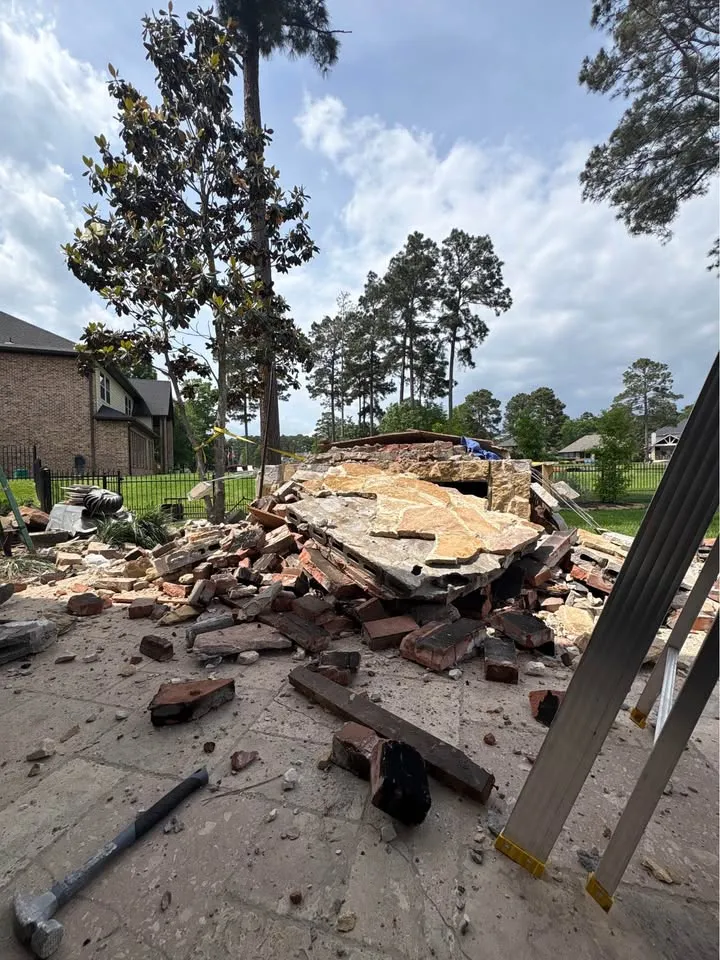
Backyard structures tend to age together. The deck starts to sag, the fence leans and the shed gets a bit too full of things no one uses. When you're redoing the yard, it usually makes sense to clear all of it at once.
Doing them together means one visit, one set of machines and one clean-up. But each one has its own details, and a few of them are easy to miss.
Why group them
Removing several structures at once has some clear advantages:
- Equipment and access only need to be set up once
- Debris from all three can go in the same loads, sorted by material
- Your landscaper gets a completely clear yard to plan around
- Neighbours only put up with one round of noise
Decks
Many decks are attached to the house with a ledger board. Pulling that off carelessly can tear siding or crack brick. A careful removal takes the boards and joists off first, then unbolts the ledger and leaves the wall ready for repair. Footings are either pulled or cut below grade, depending on what's next.
Fences
Fence panels come off easily, but posts are often set in concrete. Pulling each post with its footing gives the cleanest result. If the fence is shared with a neighbour, agree on the plan first. If it's part of a pool enclosure, it has to stay, or a temporary barrier has to go up, as long as the pool holds water.
Sheds
Confirm removal requirements with Building Services, including the shed's size and connected services. An appropriate electrician should address power, and suspect roofing or siding needs assessment before disturbance; appearance alone cannot establish whether a material contains asbestos. Our guide to permits for decks, sheds and fences goes into more detail.
Separate definite removals from undecided items
Before grouping the work, list what goes, what stays and what is still undecided. A fence you keep may change access to a shed. A door onto a removed deck needs its next arrangement planned. Use these lists to explain the result you want, not to prescribe the removal method.
- Remove: identify each structure or section without guessing hidden footings.
- Keep: identify the house connections, planted areas and boundaries that matter.
- Decide later: flag the replacement design or access question that still needs review.
A quick word on timing
Spring and fall are popular times for backyard work, so book early if you have a landscaper lined up. Ground conditions matter too, since very wet soil can make machine access messier.
Planning the order of work
When several structures come out together, the order matters. Usually the shed and deck go first, because they give the machine room to move. Fences come out last, especially if they keep pets in or form part of a pool enclosure. That way the yard stays secure for as long as possible.
It helps to walk the yard with your contractor and point out anything that's staying, like a favourite tree, a garden bed or a neighbour's fence. Those spots get protected before any work starts, and the crew knows exactly where the machine can and can't go.
What you'll have at the end
Once everything is out, you should have a clear, raked yard with footings removed or cut down, debris hauled and any attachment points on the house left tidy. That's a much easier starting point for your landscaper or builder.
When it makes sense to bring in a professional
Even a single fence panel needs its ownership, connections and any enclosure role understood. A deck bolted to your house, a shed with power, a fence around a pool or a stone wall near your patio is a different story. A professional crew protects the house and yard, pulls footings properly, handles the permit question and hauls everything away. If there's concrete or a patio slab involved, concrete removal can happen on the same visit, and our deck, fence and outdoor structure removal page shows similar work.
Conclusion
Clearing a deck, fence and shed together is usually faster and tidier than doing them one by one. Plan for the ledger board, the post footings, pool enclosure rules and the shed's size and power. TrueNorth Demolition Richmond Hill can clear it all in one visit. Request a free estimate to get started.
Frequently asked questions
- Will removing my deck damage my house?
- The crew should assess the deck's fixings and the condition of the house connection before removal. Hidden damage or fastener holes may need repair. Agree who handles flashing, cladding and other making-good work, and how the exposed doorway will be protected.
- Can you reuse any of the wood?
- Sometimes. If you'd like to keep boards or posts, let the crew know before they start so those pieces are set aside.
- Do fence footings have to come out?
- Not always. Near trees or buried services, they may be cut below grade instead.
- Can the shed slab be removed too?
- Yes. Slabs and pads can be broken out and hauled at the same time.
Confirm requirements for your property
Permit, utility and hazardous-material questions need project-specific review. Use these official starting points and discuss the scope with qualified professionals.
- Richmond Hill building and demolition permits
- Ontario: owner responsibilities and designated substances
- Ontario: asbestos in the workplace
Connect the removals to the builder's footprint
Illustrative example: a replacement garden room needs the old shed and a named deck section removed, while the side fence stays. The builder's reviewed footprint identifies the intended result; the contractor still assesses footings, access and the retained deck edge. Removal, excavation for the new base and final grading should have separate instructions. A cleared yard alone does not establish suitable ground for the new structure.