
Planning
What should a homeowner expect on demolition day?
Planning guidance from TrueNorth Demolition. Project conditions and current authority requirements should be confirmed before work.
- demolition day
- homeowners
- teardown
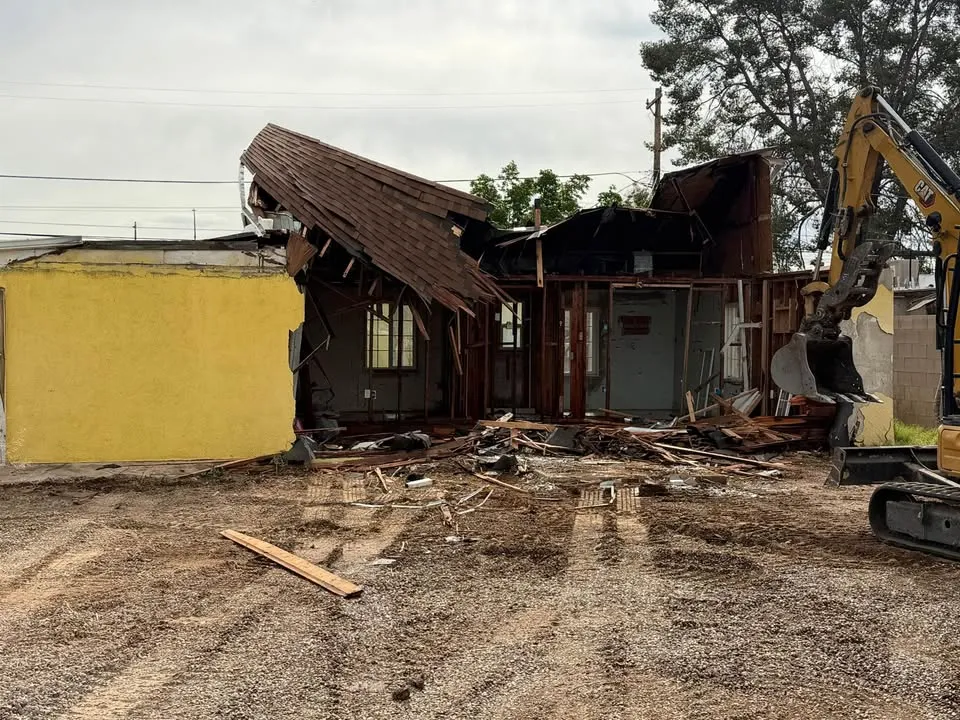
On demolition day, the crew sets up a safe work zone, the machine takes the house down from the top in sections and debris is loaded and hauled as the day goes on. Expect noise, trucks and some dust, all within the City's construction hours.
How long it takes depends on the size of the house and how much sorting and foundation work is involved. Knowing the sequence helps you and your neighbours plan.
Before the machine starts
The crew arrives, checks the permit is posted and confirms utilities are disconnected. They walk the site, look at tree hoarding and set up fencing or barriers so no one wanders into the work zone. Machines are unloaded and positioned. If there are any last questions about what stays, this is when they get answered.
The teardown sequence
A typical house comes down in this order:
- Roof and upper floor pulled into the footprint of the house
- Walls folded inward, away from neighbours and trees
- Debris separated into wood, metal, masonry and mixed piles
- Foundation broken out if it is included in the scope
Dust, noise and trucks
Dust is kept down with water sprayed at the point where the machine is working. Noise is unavoidable, and work stays within the hours set in Richmond Hill's noise by-law. Trucks and bins come and go, so plan to keep your own cars off the driveway and let neighbours know about extra traffic on the street.
Where you should be
You do not need to be on site, and for safety you should stay outside the fenced area. Many owners come by at the start and end of the day. Keep your phone on in case the crew needs to reach you about something unexpected, such as a buried tank.
After the crew leaves
Walk the lot with your contractor at the end of the job. Check that debris is gone, the grade matches the scope, tree hoarding is still in place and the street and sidewalk are clean. Note anything you want addressed before the final sign-off, and keep a copy of any disposal or recycling records the contractor gives you.
How long it takes
A detached bungalow can often be taken down in a short time once the machine is running, but loading and hauling the debris usually takes longer than the teardown itself. Foundation removal, backfill and grading add more time. Larger houses, tight lots and careful sorting for recycling all extend the schedule. Your contractor should give you a realistic plan based on the site visit, and weather can shift it by a day or two.
Expect the last day to look calmer. The machines are mostly grading and loading, the street is swept and the fencing either stays for the builder or is taken down.
What this business does about it
Our crew leaves the site secure at the end of each day, with fencing closed and the street swept. You have one contact who keeps you updated. Once the structure is down, the job continues with hauling and site clearing until the lot is ready. For the full picture see residential demolition and junk and debris removal. To plan your own demolition day, request a free estimate.
Frequently asked questions
- Can I watch the demolition?
- Yes, from a safe distance outside the fenced area. The crew will show you where to stand.
- What if something unexpected is found?
- Work stops in that area. If it is a buried oil tank or suspected hazardous material, the right specialist is brought in before work continues.
- Will the street be blocked?
- Trucks may stop on the street while loading, but the road is kept passable and the sidewalk is kept clear or protected.
- Is the site left safe overnight?
- Yes. Fencing is closed, machines are secured and the street is swept at the end of each day.
Confirm requirements for your property
Permit, utility and hazardous-material questions need project-specific review. Use these official starting points and discuss the scope with qualified professionals.
- Richmond Hill building and demolition permits
- Ontario: owner responsibilities and designated substances
- Ontario: asbestos in the workplace