Teardowns
Your First House Demolition: What to Expect Start to Finish
Planning guidance from TrueNorth Demolition. Project conditions and current authority requirements should be confirmed before work.
- teardown
- first-time
- planning
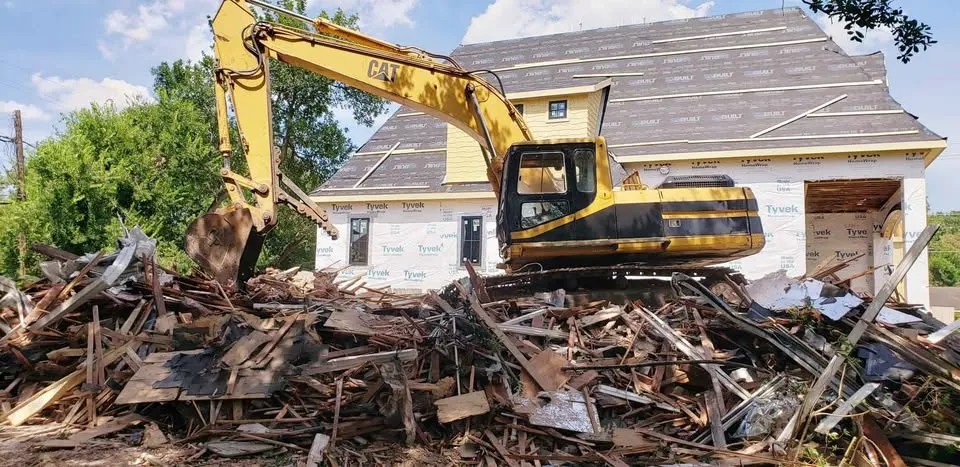
If you've never had a house demolished, the whole thing can feel a bit overwhelming. There are permits, utility calls, surveys, a crew with heavy machines and a lot of questions about what happens to your trees and your neighbours.
The good news is that it follows a clear sequence. Once you know the steps, you can plan each one and avoid the delays that catch most first-timers. Here's how it goes from start to finish.
Start with a site visit
The first real step is having a demolition contractor walk the property. They'll look at the house, the lot, access for machines, trees, overhead wires and how close the neighbours are. That visit is what turns a rough idea into a written scope of work. Bring your questions and, if you have them, your builder's plans. It's much easier to decide what stays and what goes when everyone is looking at the same lot.
Line up the paperwork
Before a house comes down in Richmond Hill, expect to deal with:
- Utility disconnections for gas, hydro, water and communication lines
- Designated-substance information and any necessary professional survey, with responsibilities confirmed for the project
- Asbestos abatement under O. Reg. 278/05 if the survey finds it
- Tree permits and hoarding if protected trees are involved
- The City's demolition permit, using its current application checklist
Get the house ready
Clear out everything you want to keep. Salvage fixtures, doors or brick if you'd like to reuse them. Drop off paint and chemicals at a hazardous waste depot. Talk to your insurer about coverage, and tell your neighbours when work will start. Our house preparation checklist walks through the last week in detail.
Demolition day and the days after
On the day, the crew sets up fencing, confirms the utilities are off and brings in the machine. The roof and walls come down in sections into the footprint of the house, and debris is sorted and loaded as the work goes on. Dust is kept down with water, and work stays within the City's construction hours. Once the house is down, the foundation comes out if it's in the scope, and the lot is backfilled and rough graded. That last stage is covered under site clearing.
Questions to ask your contractor
Before you sign, it's worth asking a few simple questions:
- Do you carry WSIB clearance and liability insurance, and can I see certificates?
- What exactly is included in the written scope?
- Who will be my contact during the job?
- How will you protect trees, neighbours and the street?
When it makes sense to bring in a professional
Honestly, for a full house, always. Tearing down a house involves heavy equipment, hazardous materials, permits and neighbours' property, and Ontario's safety rules apply to the work. A professional crew carries the right insurance and WSIB clearance, knows the order the paperwork needs to go in and can plan around trees and tight lots. A small shed still needs its connections, materials and removal requirements assessed; size alone does not establish that DIY removal is suitable. See our residential demolition page for what the work looks like.
Conclusion
Your first house demolition doesn't have to be stressful. Get a site visit early, arrange the required material assessment and coordinate utility providers alongside the City?s application requirements. Demolition waits for the approvals and confirmed disconnections. If you're planning a teardown, TrueNorth Demolition Richmond Hill can walk the lot with you. Request a free estimate to get started.
Frequently asked questions
- How far ahead should I start planning?
- Start as soon as you know the house is coming down. Utility disconnections and permits can take weeks, so early planning keeps your builder's schedule on track.
- Do I need to be there on demolition day?
- No, but many owners come by at the start and end of the day. Stay outside the fenced work zone for safety.
- What happens to my trees?
- Protected trees stay behind hoarding unless the City approves their removal. The crew plans access around them.
- Will the foundation be removed?
- Only if it's in the scope. Many new builds need it out, but some builders reuse part of it.
- Is anything recycled?
- Where possible, concrete, metal and clean wood are separated and sent to recyclers.
Confirm requirements for your property
Permit, utility and hazardous-material questions need project-specific review. Use these official starting points and discuss the scope with qualified professionals.
- Richmond Hill building and demolition permits
- Ontario: owner responsibilities and designated substances
- Ontario: asbestos in the workplace